
As the 2024 election approaches, attention turns to a vital but often overlooked group of voters: young people. This generation, encompassing those roughly between 18 and 30 years old, is experiencing a unique set of challenges and emotions regarding the political process.
While youth voter turnout has historically fluctuated, recent years have shown signs of both growing engagement and profound disillusionment. Understanding why many young voters feel disconnected and dissatisfied requires a look at the broader social, economic, and political context shaping their experiences.
This article explores the complex relationship between youth and the 2024 election, focusing on their struggles, disconnection, and dissatisfaction.
More Read: Astronomers Find Potential Sign of Life on a Distant Planet
The Socioeconomic Landscape Facing Young Voters
Economic realities are among the most significant factors influencing young people’s attitudes toward politics today. Many young adults face precarious job markets, rising educational costs, and housing affordability crises.
Despite graduating college in record numbers, young people often find themselves underemployed or burdened by substantial student loan debt. These economic pressures have contributed to a widespread sense of frustration with existing political systems, which many see as failing to address their needs.
The aftermath of the COVID-19 pandemic has only intensified these challenges. Many young people lost jobs or opportunities during the crisis, and recovery has been uneven. Additionally, inflation and cost-of-living increases have made financial stability even more elusive. When political parties offer competing visions but rarely address these pressing economic concerns in ways that feel authentic or achievable, disillusionment takes root.
Political Disconnection and Distrust
Beyond economic issues, political disconnection is a major theme among youth in the 2024 election cycle. Many young voters express a lack of trust in political institutions, politicians, and even the electoral process itself.
This distrust can stem from a history of broken promises, partisan gridlock, and perceived corruption. For a generation that grew up witnessing political polarization and frequent scandals, cynicism can be a natural reaction.
Furthermore, the rise of misinformation and social media echo chambers has complicated young people’s ability to find reliable, unbiased information. The overwhelming flow of conflicting messages contributes to confusion and fatigue, leading some to disengage entirely. Many young voters feel alienated not only by politicians but by the very systems designed to represent them.
The Role of Identity and Social Movements
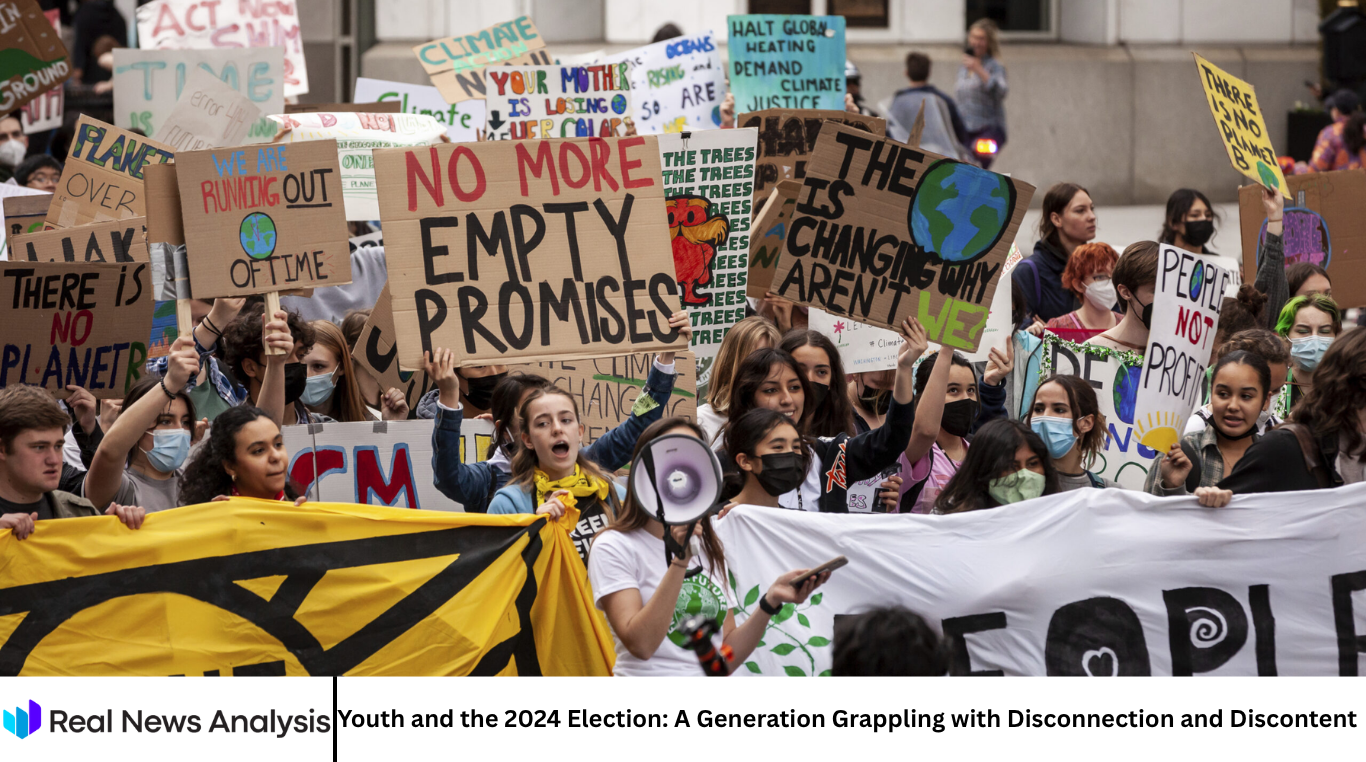
While many young people feel disillusioned, they are also a generation deeply engaged with issues of identity and social justice. Movements around racial equality, climate change, gender rights, and LGBTQ+ advocacy resonate strongly with youth.
These causes often serve as alternative avenues for political participation beyond traditional voting, such as protests, grassroots organizing, and online activism.
However, this engagement does not always translate into enthusiasm for electoral politics. Some young people view mainstream parties as out of touch with these urgent social issues or unwilling to take bold enough action. This disconnect between activism and electoral politics contributes to the sense of dissatisfaction and disengagement.
Youth Voter Turnout Trends
Historically, youth voter turnout has lagged behind older age groups. Despite this, the 2020 election saw a notable increase in youth participation, driven by heightened awareness of issues like racial justice, climate change, and the response to the pandemic. The question remains whether this momentum will continue in 2024.
Data indicates that while some young voters are highly motivated, a significant portion remains apathetic or uncertain. Factors influencing turnout include the perceived relevance of the election, trust in candidates, ease of voting, and the presence of issues that feel personally meaningful. Overcoming these barriers is critical to boosting youth electoral participation.
The Impact of Technology and Social Media
Technology plays a dual role in young people’s political engagement. On one hand, social media platforms enable rapid dissemination of information and mobilization of activism. On the other, these same platforms can foster polarization, spread misinformation, and create echo chambers that reinforce existing beliefs rather than encouraging informed debate.
For many young voters, social media is the primary source of political news, but the quality and accuracy of this information vary widely. This environment can contribute to feelings of overwhelm or skepticism about the political process.
Policy Priorities for Young Voters in 2024
Several key issues stand out as priorities for young voters in the 2024 election:
- Climate Change: Environmental concerns are a defining issue for many young people. They seek meaningful action on climate policies, renewable energy, and sustainability.
- Economic Security: Jobs, student debt relief, minimum wage increases, and affordable housing are critical economic concerns.
- Social Justice: Racial equity, gender rights, criminal justice reform, and LGBTQ+ protections remain front and center.
- Healthcare: Access to affordable healthcare, including mental health services, is increasingly important.
- Education: Reforming the education system and reducing the burden of student debt remain key demands.
These priorities often shape how young voters evaluate candidates and parties. When political platforms fail to address these issues in substantive ways, youth dissatisfaction grows.
Barriers to Youth Political Participation
Beyond attitudes and priorities, practical barriers also limit youth participation. These include:
- Voter Registration Issues: Complicated registration processes or lack of information can discourage new voters.
- Voting Access: Limited polling locations, restrictive voting laws, and lack of early voting options disproportionately affect young voters.
- Civic Education Gaps: Many young people feel inadequately prepared to navigate the political system or understand their rights.
Efforts to reduce these barriers are essential for increasing youth engagement in elections.
How Candidates Are Responding
Recognizing the importance of the youth vote, many candidates and parties have tailored their messages to appeal to younger demographics. Campaigns increasingly emphasize social media outreach, youth-focused policy proposals, and engagement with youth-led movements. However, critics argue that some of these efforts are superficial or opportunistic, failing to build genuine connections or trust.
Authentic engagement with young voters requires listening to their concerns and addressing structural issues that contribute to their discontent.
Frequently Asked Questions
Why do many young people feel disconnected from the 2024 election?
Young people often feel disconnected due to a lack of trust in politicians, dissatisfaction with the political system, and a perception that their issues are ignored. Economic struggles, social justice concerns, and political polarization also contribute to this disconnection.
What are the main issues that matter to young voters in 2024?
Key issues include climate change, economic security (such as jobs and student debt), social justice, healthcare access, and education reform. These areas tend to shape their political priorities and voting decisions.
Has youth voter turnout increased recently?
Youth voter turnout increased notably in the 2020 election, driven by high-profile social movements and heightened political awareness. Whether this increase will continue into 2024 remains uncertain and depends on factors like candidate appeal and issue relevance.
How does social media affect young people’s political views?
Social media can both inform and misinform young voters. It provides a platform for activism and information sharing but also spreads misinformation and creates echo chambers that can reinforce political disengagement or extreme views.
What barriers prevent young people from voting?
ommon barriers include complicated voter registration processes, limited access to polling stations, restrictive voting laws, and insufficient civic education. These obstacles disproportionately impact youth participation.
Are political parties addressing youth concerns effectively?
While many parties have begun to focus on youth issues and increase outreach, young voters often feel these efforts are insufficient or insincere. Addressing systemic challenges and listening to youth voices more deeply is needed for genuine engagement.
How can youth improve their political engagement in future elections?
Improving engagement involves increased civic education, reducing voting barriers, fostering community activism, and demanding accountability from political leaders. Young people can also leverage social media responsibly to stay informed and involved.
Conclusion
The relationship between young people and the 2024 election is marked by a mixture of struggle, disconnection, and dissatisfaction. Economic hardships, political distrust, and unmet expectations have created barriers to full engagement for many young voters. Yet, this generation remains deeply concerned about issues like climate change, social justice, and economic security. Their political future depends not only on their willingness to participate but also on the ability of political systems and candidates to earn their trust by addressing their real concerns.
