
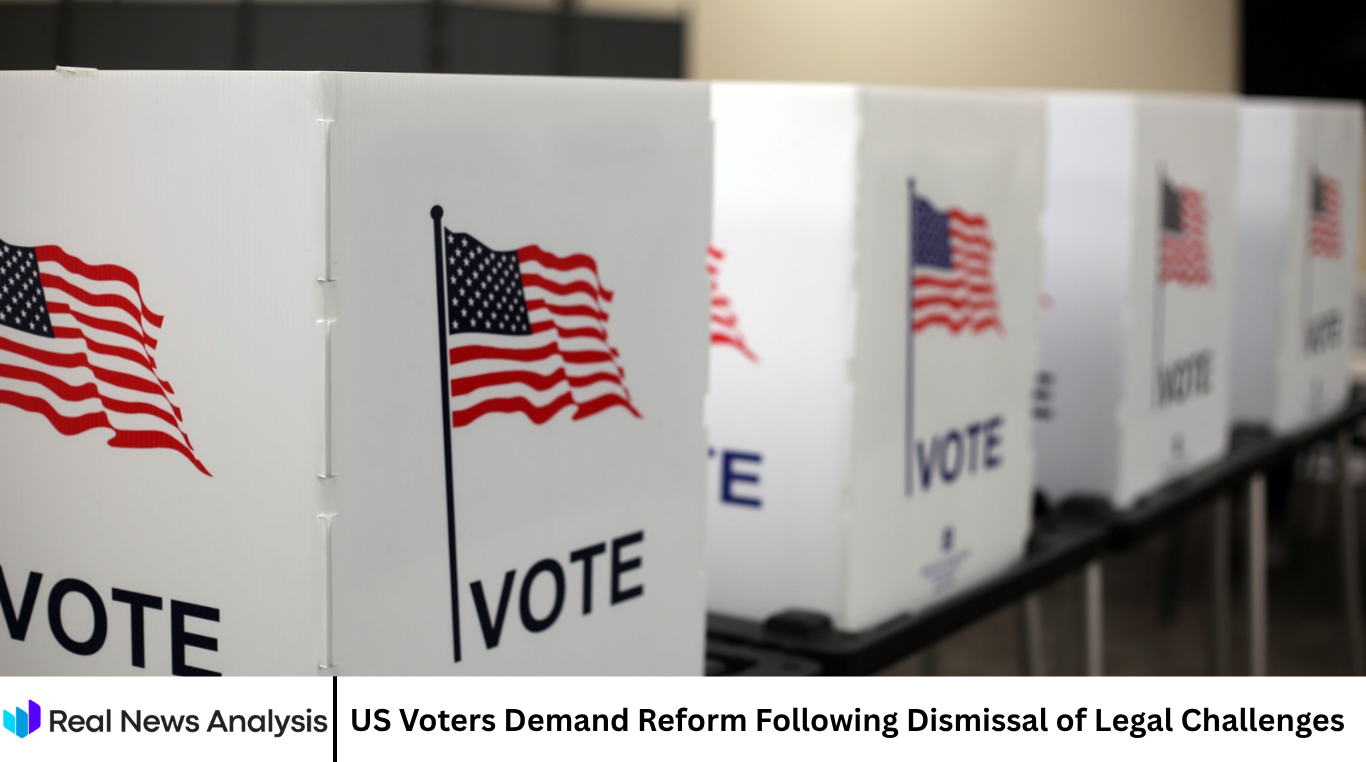
The recent dismissal of multiple legal challenges related to election results across the United States has stirred a significant reaction among voters. Many Americans have expressed frustration, not only at the outcomes of the cases but also at what they perceive as systemic issues within the electoral process.
This wave of dissatisfaction has translated into a widespread call for comprehensive election reform to address transparency, fairness, and voter confidence.
In this article, we will explore the background behind the legal challenges, analyze why they were dismissed, delve into voter sentiments following these dismissals, and discuss the reforms being demanded. Additionally, we will answer some frequently asked questions about the situation and what changes could potentially shape the future of elections in the United States
The Legal Challenges and Their Dismissal
Over the past election cycles, several lawsuits were filed contesting the integrity of election results in key states. These challenges often alleged issues such as voter fraud, irregularities in ballot counting, and concerns over mail-in ballots. However, the majority of these lawsuits were dismissed by courts for lack of substantial evidence, procedural errors, or jurisdictional issues.
Judges across different states, including some appointed by various political administrations, reviewed the presented evidence and found it insufficient to overturn or question the legitimacy of the election results. The rulings reaffirmed that despite isolated incidents or errors, the overall process adhered to established laws and standards.
The dismissal of these challenges was seen by many legal experts as an endorsement of the current electoral framework’s robustness. Yet, for many voters, the dismissals did not quell their concerns but rather heightened their demand for reforms aimed at preventing future disputes.
Voter Sentiments After Dismissals
The outcome of these legal battles left many voters feeling uncertain about the security and fairness of elections. Polls conducted in the aftermath showed a notable portion of the electorate expressing doubts about whether their votes were counted accurately.
The intense media coverage and political rhetoric surrounding the challenges contributed to an environment where trust in the electoral system eroded.
Some voters viewed the legal dismissals as dismissive of genuine concerns. They felt that their questions about election integrity were being ignored or swept aside. This perception has sparked movements in several states advocating for changes to voting procedures, increased transparency, and stricter oversight.
Conversely, other voters saw the dismissals as a validation that the election system works as intended, reinforcing their confidence in democratic institutions. This divide in public opinion highlights the complexity of the issue and the need for reforms that address the concerns of all stakeholders.
Key Areas Where Reform Is Being Demanded
The calls for reform cover several aspects of the electoral process, including voter registration, voting methods, ballot security, and the transparency of vote counting.
Voter Registration and Accessibility:
Many reform advocates stress the importance of making voter registration more accessible while ensuring its accuracy. They suggest automatic voter registration, improved database management, and efforts to remove outdated or incorrect entries from voter rolls.
Voting Methods:
The use of mail-in ballots has been a contentious topic. Some voters demand better security measures and verification processes for absentee and mail-in voting. Others call for expanded early voting opportunities and the protection of in-person voting options.
Ballot Security and Chain of Custody:
Ensuring that ballots are securely handled from the moment they are cast until they are counted is a critical concern. Proposals include better tracking systems, increased monitoring during ballot transportation, and transparent audit procedures.
Transparency and Observation:
Many voters want more transparency in the vote counting process. This includes allowing nonpartisan observers to oversee ballot counting and auditing processes, as well as public access to information about how votes are tallied.
Election Technology:
With increasing reliance on electronic voting machines, demands for enhanced security measures and independent audits of election technology have risen. Some advocate for a return to paper ballots or verifiable paper trails to prevent hacking or technical errors.
Legal Framework and Oversight:
There are calls to standardize election laws across states to reduce confusion and disparities. Additionally, voters urge for stronger enforcement of existing laws to prevent fraud and misconduct.
Public Education and Engagement:
Improving public understanding of the election process and combating misinformation is seen as vital. Educating voters about how elections work can help restore trust and reduce the impact of false claims.
Challenges to Reform Implementation
While the demand for reform is clear, implementing these changes faces several hurdles. Election laws in the United States are largely governed at the state level, creating a patchwork of regulations that vary widely. Achieving uniform standards requires collaboration among states, which can be difficult due to differing political priorities.
Moreover, election reform proposals often become politically charged, with debates centered around partisan interests rather than practical improvements. Balancing security measures with ease of access is another challenge, as overly restrictive policies could disenfranchise voters.
Funding is also a concern. Upgrading election infrastructure, implementing new technology, and hiring trained personnel require substantial investment. Some jurisdictions struggle to allocate adequate resources for such initiatives.
Lastly, misinformation and distrust complicate efforts to build consensus on reform priorities. Addressing these social challenges is as important as the technical and legislative changes.
The Role of Policymakers and Advocacy Groups
Lawmakers at federal and state levels have begun to respond to voter concerns. Several bills focusing on election security, transparency, and accessibility have been introduced in recent legislative sessions. These efforts aim to strike a balance between safeguarding the vote and ensuring broad participation.
Advocacy groups, including nonpartisan organizations and grassroots movements, play a critical role in pushing for reform. They engage in public education campaigns, monitor elections for irregularities, and lobby for policy changes. Collaboration between government bodies, advocacy organizations, and community leaders is essential to crafting effective reforms.
Potential Impact of Election Reform
If successfully implemented, election reforms could restore voter confidence and reduce the frequency of legal challenges. Clear and consistent rules would help prevent confusion and disputes. Enhanced transparency and security measures would reassure voters that their ballots are handled with care.
Improved access to voting could increase participation and strengthen democracy by ensuring more voices are heard. Additionally, better public education efforts could counteract misinformation and foster a more informed electorate.
However, the path to reform requires ongoing dialogue and compromise among diverse stakeholders. It is a complex process but one that is crucial for maintaining the integrity and legitimacy of the democratic system.
Frequently Asked Questions
Why were the recent legal challenges to election results dismissed?
Most legal challenges were dismissed because courts found insufficient evidence to support claims of widespread fraud or irregularities. Judges also cited procedural issues or a lack of jurisdiction in some cases.
How do legal dismissals affect voter confidence?
Dismissals can have mixed effects. While some voters see them as validation of election integrity, others feel their concerns were ignored, leading to decreased trust and increased calls for reform.
What specific reforms are voters demanding after these dismissals?
Voters are calling for improved voter registration systems, enhanced ballot security, transparency in vote counting, stricter oversight of election technology, and better public education about the election process.
Are election laws the same across all states?
No, election laws vary significantly from state to state. This variation can lead to confusion and disparities in how elections are conducted and challenges are handled.
How can election technology be made more secure?
Security can be improved by using paper ballots or verifiable paper trails, conducting independent audits, regularly updating software, and implementing strict access controls for voting machines.
What role do advocacy groups play in election reform?
Advocacy groups educate the public, monitor elections, lobby policymakers for changes, and work to ensure fair and transparent electoral processes.
Will election reform increase voter participation?
Potentially yes. Reforms that make voting easier and more secure can encourage higher turnout by reducing barriers and increasing voter confidence.
Conclusion
The dismissal of recent legal challenges to election results has not quelled concerns among many US voters. Instead, it has amplified demands for comprehensive reform aimed at improving transparency, security, and accessibility within the electoral system. While the current framework has been upheld by courts, the desire for stronger safeguards and clearer processes is a clear message from the electorate.Implementing meaningful election reforms will require collaboration between lawmakers, election officials, advocacy groups, and voters themselves. Addressing logistical, political, and social challenges is critical to rebuilding trust and ensuring that future elections are conducted fairly and confidently.As the United States moves forward, the conversation around election reform will remain a vital part of maintaining a healthy democracy where every vote counts and every voice is heard.
