
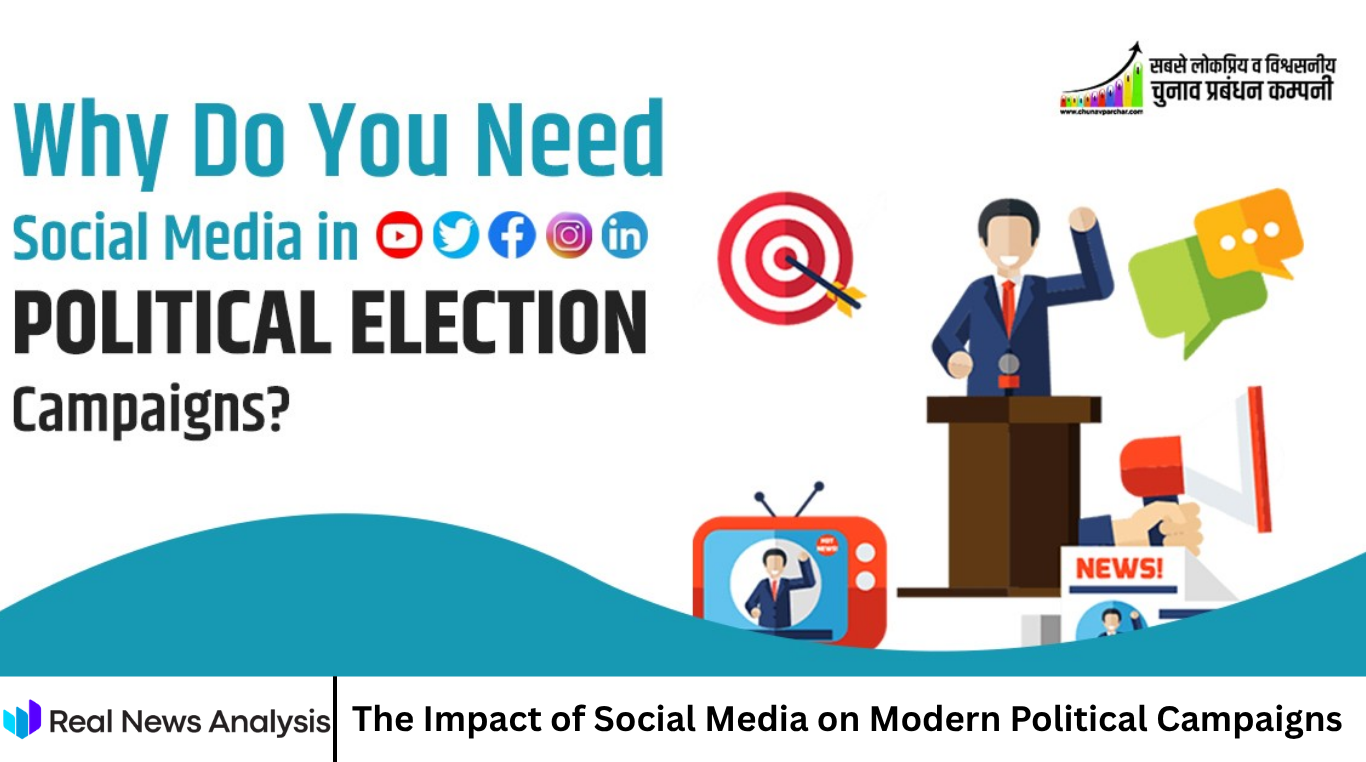
In recent years, social media has become an indispensable tool in political campaigns worldwide. What began as platforms for social interaction and content sharing have evolved into powerful mediums where political ideas are debated, leaders connect with voters, and campaigns gain momentum.
Social media’s role in reshaping political campaigns has been profound, affecting everything from voter outreach and fundraising to messaging and public perception.
More Read: Youth and the 2024 Election: A Generation Grappling with Disconnection and Discontent
The Rise of Social Media in Politics
Social media platforms such as Facebook, Twitter, Instagram, TikTok, and YouTube have dramatically changed the way politicians communicate with the electorate. Unlike traditional media — which often involved one-way communication through television, radio, or newspapers — social media allows for direct, two-way interaction between candidates and voters.
This shift has empowered political campaigns to reach audiences more efficiently and personally than ever before. One of the key reasons social media has become essential in politics is its ability to target specific demographics with precision.
Platforms collect vast amounts of data about users’ interests, behaviors, and locations, allowing campaigns to tailor messages to resonate with particular groups. This micro-targeting is a game-changer, as candidates can customize content to engage different voter segments in a highly strategic way.
Changing Campaign Strategies
The integration of social media into political campaigning has led to a rethinking of traditional strategies. Previously, campaigns relied heavily on rallies, door-to-door canvassing, phone banking, and mass media advertisements. While these methods still hold value, social media has introduced new tactics that maximize reach and impact.
Political campaigns now prioritize creating viral content, engaging in real-time conversations, and leveraging influencers and digital advertising. Video content, memes, and infographics are produced to simplify complex issues and capture attention quickly. The interactive nature of social media allows campaigns to respond to news events immediately, correcting misinformation and promoting their narrative swiftly.
Another notable change is the democratization of political influence. Social media gives ordinary citizens a platform to express opinions, mobilize grassroots support, and hold politicians accountable. Campaigns increasingly recognize the power of these online communities and often incorporate user-generated content into their messaging strategies.
Fundraising Revolution
Fundraising has also been transformed by social media. Traditional fundraising events often required significant resources and time, limiting participation to those who could attend in person. Social media campaigns, on the other hand, enable politicians to reach a broader donor base with lower costs.
Candidates use social media to share compelling stories, call for donations, and provide easy online giving options. The viral nature of social content can spark donation drives that gather millions from small contributors, making grassroots funding a critical component of many campaigns. This shift has empowered candidates without access to large party war chests to compete more effectively.
Mobilizing Voters and Encouraging Participation
One of the most significant impacts of social media on political campaigns is its role in mobilizing voters. Platforms are used to inform people about voting dates, registration processes, and polling locations. Campaigns also employ social media to encourage voter turnout by creating a sense of urgency and community around elections.
The real-time nature of social media means campaigns can monitor public sentiment and adapt their strategies accordingly. Hashtags, online challenges, and live streams engage younger voters who are traditionally harder to reach through conventional methods. Social media also offers tools to organize volunteer efforts, coordinate events, and manage get-out-the-vote initiatives efficiently.
The Role of Social Media in Shaping Public Opinion
Social media’s impact extends beyond just campaigning tactics; it plays a crucial role in shaping public opinion. The rapid spread of information and the ability to amplify messages widely means social media can influence voter perceptions profoundly.
However, this influence comes with challenges. The spread of misinformation, fake news, and politically motivated propaganda is a major concern. Social media algorithms often promote content that generates engagement, which can sometimes favor sensationalism over accuracy. Campaigns and voters alike must navigate this complex information landscape carefully.
Despite these challenges, social media remains a vital space for political discourse, allowing for greater transparency and public engagement. Politicians can be held accountable more effectively when citizens can voice concerns openly and organize collective action quickly.
The Power of Data Analytics and Artificial Intelligence
Modern political campaigns leverage data analytics and artificial intelligence (AI) tools integrated into social media platforms to refine their approaches. These technologies analyze vast datasets to identify voter preferences, predict behaviors, and optimize campaign messaging.
By using AI, campaigns can automate content delivery, monitor social media sentiment, and identify influential users who can help amplify their messages. This data-driven approach increases the efficiency of political outreach and enhances the chances of winning elections.
Challenges and Ethical Considerations
While social media offers tremendous opportunities for political campaigns, it also raises ethical questions and challenges. Privacy concerns around data collection and targeted advertising have prompted debates about voter manipulation and transparency.
The potential for misinformation and foreign interference on social media platforms is another significant issue. Campaigns must balance aggressive digital strategies with honesty and integrity, while platforms face increasing pressure to regulate harmful content without stifling free speech.
Global Perspectives on Social Media and Campaigning
The impact of social media on political campaigns is not limited to one country. Around the world, political movements have harnessed these platforms to galvanize support, organize protests, and influence election outcomes.
For example, social media played a pivotal role in the Arab Spring uprisings by enabling activists to coordinate and share information rapidly. In democracies, social media campaigns have become central to election strategies, with some countries experiencing intense battles over online influence.
However, the effectiveness of social media campaigns can vary depending on a country’s digital infrastructure, media literacy, and regulatory environment. Understanding these contextual factors is essential for assessing the true impact of social media on politics globally.
The Future of Political Campaigns on Social Media
Looking ahead, social media will continue to evolve alongside emerging technologies such as virtual reality, augmented reality, and blockchain. These innovations could further transform how campaigns engage voters, enhance transparency, and protect election integrity.
Campaigns will likely become even more personalized and interactive, leveraging immersive experiences and enhanced data insights. However, the challenges related to misinformation, privacy, and ethical campaigning will remain critical issues to address.
Frequently Asked Questions
How has social media changed voter engagement in political campaigns?
Social media allows campaigns to connect directly with voters, making engagement more immediate and personal. It enables interactive discussions, rapid sharing of information, and targeted messaging, which increases voter participation, especially among younger demographics.
What are the risks of using social media in political campaigns?
Risks include the spread of misinformation, manipulation through targeted ads, privacy violations, and the potential for foreign interference. These risks can undermine public trust and the integrity of elections if not managed responsibly.
How do political campaigns use data on social media?
Campaigns analyze data to identify voter preferences, segment audiences, and tailor messages to specific groups. Data helps optimize advertising spend and predict voter behavior, improving the effectiveness of outreach efforts.
Can social media fundraising really compete with traditional methods?
Yes, social media fundraising can mobilize a large number of small donors quickly and at a lower cost than traditional events. This grassroots funding approach has proven to be highly effective, especially for candidates without extensive party backing.
What role do influencers play in political campaigns on social media?
Influencers can amplify campaign messages and sway public opinion by leveraging their large and engaged followings. Campaigns often partner with influencers who align with their values to reach niche audiences authentically.
How do social media platforms regulate political content?
Platforms have policies for political ads, misinformation, and hate speech, but enforcement varies. They use AI tools and human moderators to monitor content, though balancing free expression and preventing harm remains challenging.
Will social media replace traditional campaigning methods entirely?
While social media is increasingly important, traditional methods like rallies, debates, and canvassing still play vital roles. A hybrid approach combining both digital and offline strategies tends to be the most effective.
Conclusion
Social media has undeniably reshaped modern political campaigns, offering unprecedented opportunities for communication, engagement, and fundraising. It has transformed how candidates connect with voters and how citizens participate in the democratic process. While the benefits of social media in politics are considerable, the associated challenges and ethical dilemmas require careful management to preserve election integrity and public trust.
