
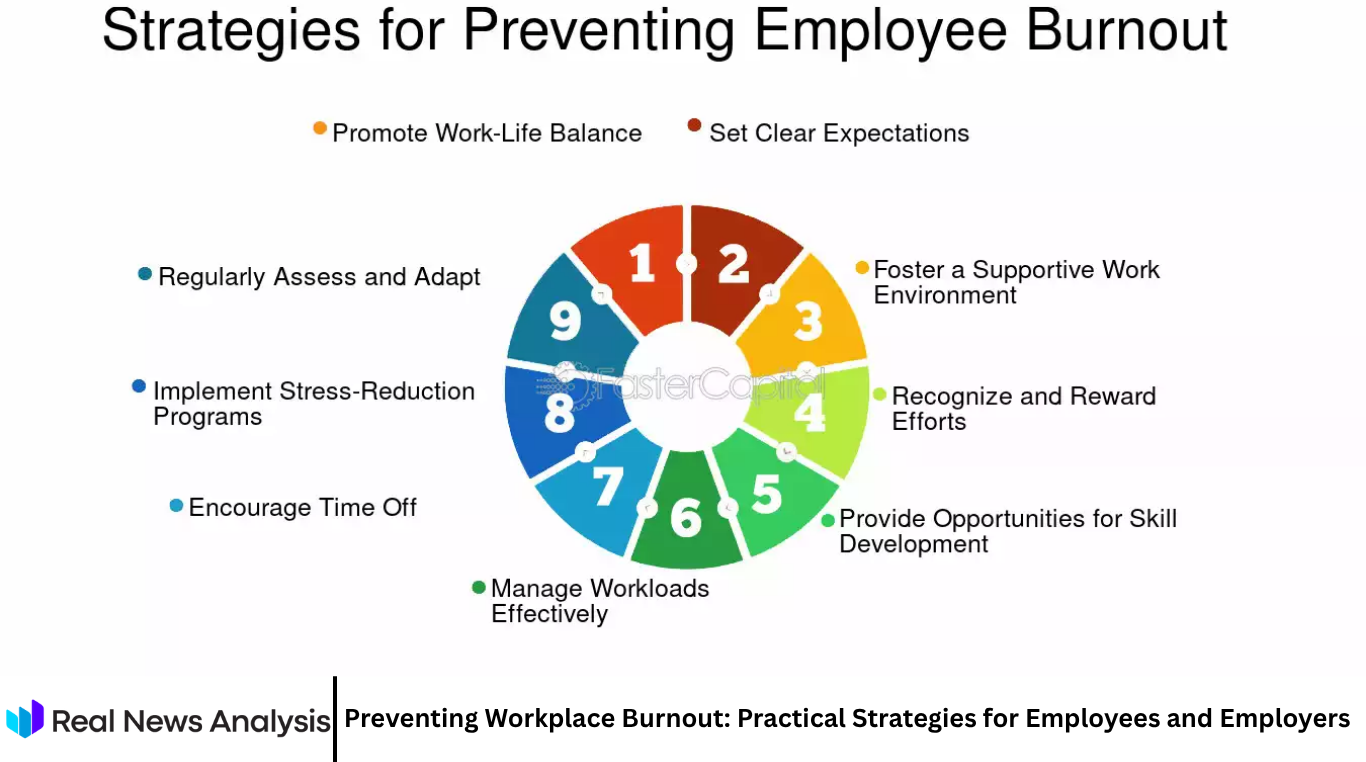
Workplace burnout is a growing concern worldwide as employees and organizations face increasing demands, rapid changes, and high expectations. Burnout is more than just feeling tired or stressed; it is a state of chronic physical, emotional, and mental exhaustion caused by prolonged exposure to work-related stress.
It can have severe consequences on an individual’s health, productivity, and overall job satisfaction, and it also negatively impacts organizational performance. Preventing workplace burnout requires a collective effort from both employees and employers.
We will explore practical strategies that can help minimize burnout risk, foster a healthier work environment, and promote well-being. This guide offers insights and actionable tips for employees looking to protect themselves from burnout, as well as for employers aiming to build resilient, motivated teams.
Understanding Workplace Burnout
Burnout is characterized by three main symptoms: emotional exhaustion, cynicism or detachment from work, and a sense of reduced personal accomplishment. Unlike regular stress, burnout is persistent and can lead to serious health problems such as depression, anxiety, heart disease, and impaired immune function.
Several factors contribute to burnout, including excessive workloads, lack of control, insufficient rewards, poor workplace relationships, and unclear job expectations. It is crucial for both individuals and organizations to recognize these triggers early and take proactive measures.
Why Preventing Burnout Matters
Burnout affects not only the individual but also the workplace as a whole. Employees experiencing burnout often show reduced productivity, increased absenteeism, higher turnover rates, and diminished engagement. For employers, this translates into lost revenue, a damaged reputation, and difficulty attracting and retaining talent.
By investing in burnout prevention, companies can boost employee satisfaction, foster loyalty, encourage innovation, and maintain a competitive edge. Employees benefit from improved mental and physical health, greater job satisfaction, and a more balanced life.
Practical Strategies for Employees to Prevent Burnout
Employees play a vital role in managing their own well-being. Here are some effective strategies for individuals to protect themselves from burnout:
Set Clear Boundaries Between Work and Personal Life
In today’s world, where remote work and constant connectivity are common, it’s easy to blur the lines between work and personal time. Setting clear boundaries helps ensure that work does not consume your entire life. This might include defining work hours, turning off notifications after hours, and dedicating time for hobbies and relaxation.
Prioritize Self-Care
Taking care of physical and mental health is essential to combat burnout. Regular exercise, healthy eating, adequate sleep, and mindfulness practices like meditation can significantly reduce stress levels and improve resilience.
Manage Workload Effectively
Learn to prioritize tasks based on urgency and importance. Use time management techniques such as the Pomodoro technique or time blocking to increase focus and efficiency. Don’t hesitate to delegate when possible and communicate with supervisors if the workload becomes overwhelming.
Build Strong Support Networks
Having a support system of colleagues, friends, and family can provide emotional assistance and reduce feelings of isolation. Engage in social activities, seek mentorship, and share your experiences with trusted individuals.
Develop Coping Skills
Burnout often arises when people feel helpless or unable to cope with stress. Developing problem-solving skills, practicing positive self-talk, and learning relaxation techniques can help manage stress before it becomes overwhelming.
Seek Professional Help When Needed
If feelings of burnout persist despite your best efforts, consider seeking help from a mental health professional. Therapists and counselors can offer strategies tailored to your needs and provide support during difficult times.
Practical Strategies for Employers to Prevent Burnout
Employers have a significant responsibility to create environments where employees can thrive. Here are some ways organizations can support their workforce:
Foster Open Communication
Encourage a culture where employees feel safe discussing stress, workload challenges, and mental health concerns. Regular check-ins and feedback sessions help identify burnout risks early and demonstrate that the organization values employee well-being.
Promote Work-Life Balance
Offer flexible work hours, remote work options, and sufficient paid time off. Recognize that employees have lives outside of work and support their need for rest and family time.
Set Realistic Workloads and Expectations
Ensure that job demands are manageable and aligned with employees’ capacities. Avoid overloading staff with excessive tasks and provide the resources necessary to complete assignments efficiently.
Provide Opportunities for Growth and Development
Career stagnation can contribute to burnout. Offering training, mentorship, and clear career pathways helps employees stay motivated and engaged.
Recognize and Reward Efforts
Acknowledging employee achievements fosters a sense of accomplishment and appreciation. Recognition can be formal, such as awards, or informal, like verbal praise.
Cultivate a Positive Work Environment
Encourage teamwork, respect, and inclusivity. A supportive workplace reduces stress and increases job satisfaction.
Implement Wellness Programs
Wellness initiatives, including mental health resources, stress management workshops, and fitness programs, show that the company prioritizes employee health.
Signs of Burnout to Watch For
Both employees and employers should be vigilant for early signs of burnout, such as:
- Persistent fatigue or exhaustion
- Decreased performance or motivation
- Increased irritability or cynicism
- Withdrawal from colleagues or social activities
- Physical symptoms like headaches or stomach issues
- Difficulty concentrating
Early intervention can prevent burnout from worsening.
Building a Resilient Workplace Culture
Preventing burnout is most effective when integrated into the core culture of an organization. This means leadership must actively promote well-being and model healthy behaviors. Transparency, trust, and respect are foundational to a resilient workplace where employees feel valued and supported.
Training managers to recognize burnout and respond compassionately is crucial. Equipping teams with tools to manage stress and fostering collaboration can transform workplace dynamics.
Frequently Asked Questions
What is the difference between stress and burnout?
Stress is a response to a specific demand or pressure and is usually temporary. Burnout is a state of chronic stress leading to emotional exhaustion, detachment, and reduced performance over time.
Can remote work increase the risk of burnout?
Yes, remote work can blur the boundaries between work and personal life, leading to longer working hours and isolation, which may increase burnout risk if not managed properly.
How can employers measure burnout in the workplace?
Employers can use surveys, employee feedback, absenteeism rates, and performance data to assess burnout levels. Regular check-ins and open dialogue also provide insight.
Are certain industries more prone to burnout?
Yes, high-pressure fields like healthcare, education, social work, and technology often have higher burnout rates due to demanding workloads and emotional strain.
How important is leadership in preventing burnout?
Leadership is critical. Leaders set the tone for workplace culture, allocate resources, and influence employee engagement. Supportive leadership can significantly reduce burnout.
What role does work-life balance play in burnout prevention?
Work-life balance helps employees recharge and maintain mental health, reducing the risk of burnout by preventing work from overwhelming personal life.
Can technology help prevent burnout?
Technology can help by streamlining tasks, enabling flexible work arrangements, and providing tools for communication and wellness. However, overuse or poor management of technology can contribute to burnout.
Conclusion
Workplace burnout is a serious challenge with widespread effects on both employees and organizations. Preventing it requires awareness, commitment, and practical action from both sides. Employees must take proactive steps to manage their workload, set boundaries, and prioritize self-care, while employers need to foster supportive, flexible, and healthy work environments.By working together to recognize early signs, communicate openly, and implement effective strategies, workplaces can become spaces where people thrive rather than just survive. Preventing burnout is not just about avoiding negative outcomes—it’s about creating a positive, sustainable culture that benefits everyone.
