
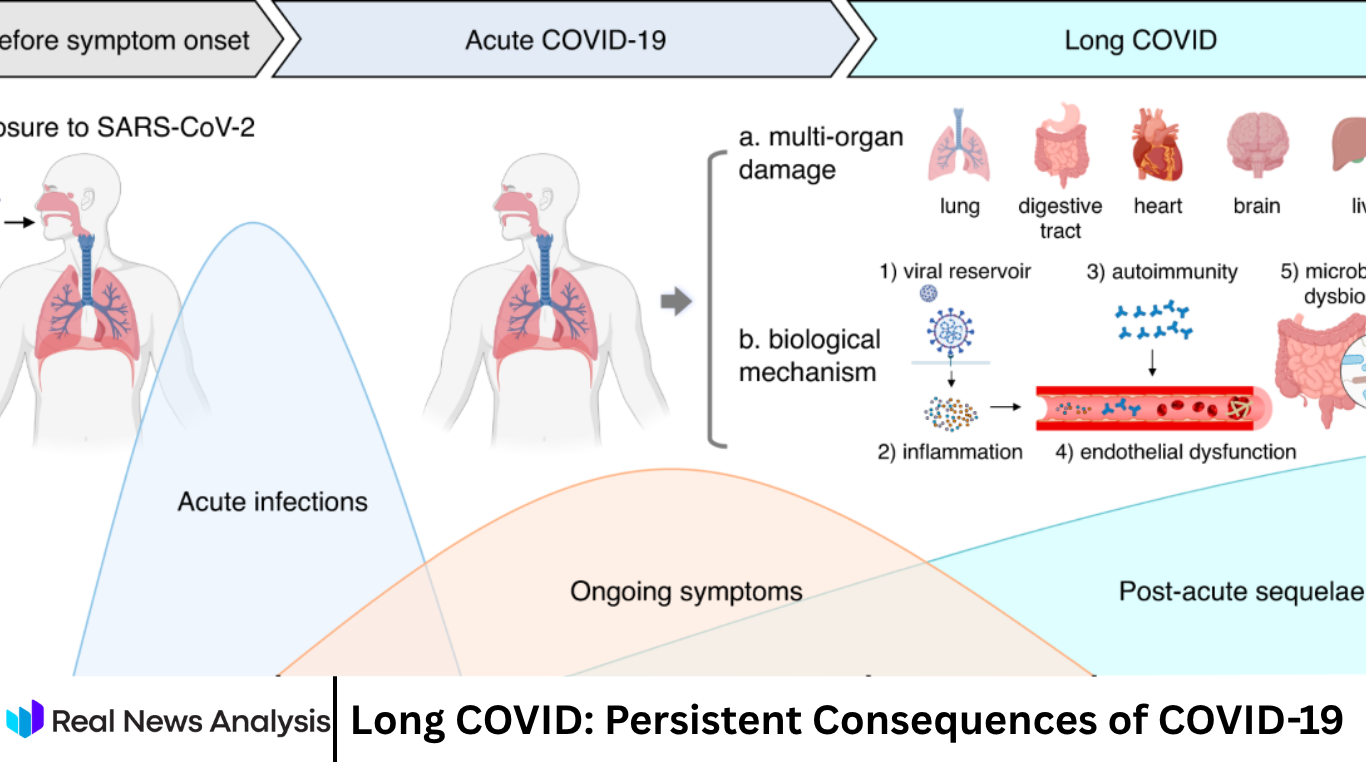
Since the emergence of COVID-19 in late 2019, the world has witnessed unprecedented challenges in public health, economics, and social life. While many individuals recover fully within weeks after the acute infection, a significant number of people experience prolonged symptoms and health issues well beyond the initial illness. This condition, commonly referred to as Long COVID, has become an important focus of ongoing research and clinical care.
Long COVID, also known as post-acute sequelae of SARS-CoV-2 infection (PASC), encompasses a wide range of persistent symptoms that last weeks or months after the acute phase of COVID-19 has resolved. These lingering effects impact physical health, mental well-being, and quality of life for many survivors, posing new challenges for healthcare systems worldwide.
This article explores the persistent consequences of COVID-19, the possible causes of Long COVID, symptoms commonly reported, affected populations, current understanding of treatment, and what the future might hold for managing this condition.
More Read: Preventing Workplace Burnout: Practical Strategies for Employees and Employers
Understanding Long COVID
Long COVID refers to the continuation or appearance of symptoms after the initial COVID-19 infection has cleared, usually lasting beyond four weeks. While the acute infection typically lasts between one to three weeks, Long COVID symptoms can persist for months, sometimes fluctuating in intensity or appearing intermittently.
The phenomenon is not unique to COVID-19. Other viral infections such as SARS, MERS, and influenza have been known to cause post-viral syndromes, but the scale of Long COVID’s impact is unprecedented due to the pandemic’s global reach.
Scientists are still uncovering why some people develop Long COVID while others recover quickly. It is thought to involve a complex interplay between immune system response, viral persistence, and damage to organs.
Common Symptoms of Long COVID
Symptoms of Long COVID vary widely, affecting multiple body systems. Some of the most frequently reported symptoms include:
- Fatigue that is severe and limits daily activities
- Shortness of breath or difficulty breathing
- Chest pain or tightness
- Persistent cough
- Joint and muscle pain
- Cognitive impairments often referred to as “brain fog,” including difficulty concentrating, memory loss, and confusion
- Headaches
- Heart palpitations
- Sleep disturbances
- Anxiety and depression
- Loss of taste or smell
- Digestive issues such as nausea and diarrhea
Because these symptoms affect so many systems, they can lead to significant disruption of daily life, work, and social activities.
Who is at Risk?
Long COVID can affect anyone who has had COVID-19, regardless of the severity of the initial infection. Even people with mild or asymptomatic cases have reported prolonged symptoms. However, certain groups may be more susceptible:
- Older adults appear to have a higher risk.
- People with pre-existing health conditions such as diabetes, obesity, or cardiovascular disease.
- Women may be more likely to report Long COVID symptoms than men, though research is ongoing.
- Those who had a severe or hospitalized case of COVID-19 are more prone to lingering effects, though this is not exclusive.
Interestingly, children and adolescents can also experience Long COVID, though it seems less common and often presents differently.
Possible Causes of Long COVID
Understanding why Long COVID occurs remains a key scientific challenge. Several theories have emerged, including:
- Persistent viral fragments: Some studies suggest that parts of the virus may remain in the body, continuing to stimulate the immune system.
- Immune system dysregulation: The body’s immune response may become overactive or misdirected, causing ongoing inflammation and damage.
- Organ damage: COVID-19 can cause lasting injury to the lungs, heart, brain, and other organs, resulting in chronic symptoms.
- Microvascular injury: Damage to small blood vessels may impair oxygen delivery and contribute to symptoms like fatigue and brain fog.
- Autoimmunity: The virus may trigger the immune system to attack the body’s own tissues.
- Psychological factors: The stress and trauma of illness and isolation may exacerbate symptoms, though this does not explain all cases.
Ongoing research is vital to clarify these mechanisms and develop effective treatments.
Diagnosis and Challenges
Diagnosing Long COVID is complicated due to the wide range of symptoms and lack of a single diagnostic test. Physicians generally rely on clinical history, symptom patterns, and ruling out other causes. This can make patients feel frustrated or dismissed when tests do not show clear abnormalities.
Efforts are underway to create standardized diagnostic criteria, but until then, management focuses on symptom relief and supportive care.
Managing Long COVID
Currently, there is no specific cure for Long COVID. Treatment is often personalized, based on the patient’s symptoms and needs. Some common approaches include:
- Multidisciplinary care: Involving specialists such as pulmonologists, cardiologists, neurologists, and mental health professionals.
- Physical rehabilitation: Tailored exercise programs to gradually rebuild stamina without overexertion.
- Symptom management: Using medications or therapies to address pain, breathing difficulties, or mental health conditions.
- Psychological support: Counseling, cognitive behavioral therapy, and support groups to address anxiety, depression, and coping strategies.
- Patient education: Helping individuals understand the condition, pacing activities, and recognizing symptom patterns.
Because Long COVID symptoms can fluctuate, ongoing monitoring and flexible care plans are important.
The Impact on Society and Healthcare
Long COVID presents a substantial burden beyond the individuals affected. It has implications for:
- Healthcare resources, requiring increased outpatient services, rehabilitation, and specialist care.
- Workforce productivity, with many unable to return to full work capacity for extended periods.
- Mental health systems, as prolonged illness can lead to depression, anxiety, and social isolation.
- Disability and social support programs, as some individuals experience long-term impairment.
Addressing Long COVID requires coordinated efforts from governments, healthcare providers, researchers, employers, and communities.
Research and Future Directions
The scientific community is rapidly expanding research into Long COVID, focusing on:
- Identifying biological markers for diagnosis.
- Understanding risk factors and mechanisms.
- Developing targeted treatments and rehabilitation protocols.
- Assessing vaccine impact on Long COVID risk.
- Creating patient registries and long-term studies.
Vaccination has shown promise not only in preventing COVID-19 but potentially reducing the risk of Long COVID. However, breakthroughs and tailored therapies remain an urgent need.
Frequently Asked Questions
How long does Long COVID typically last?
The duration of Long COVID varies widely. Some people recover within a few months, while others may experience symptoms for a year or more. Research is ongoing to understand long-term outcomes.
Can children get Long COVID?
Yes, children can develop Long COVID, although it appears less frequently and symptoms can be different from adults. Fatigue, headaches, and concentration difficulties are common in children with Long COVID.
Is there a test to diagnose Long COVID?
Currently, no specific laboratory test or imaging can definitively diagnose Long COVID. Diagnosis is based on clinical evaluation, symptom history, and excluding other conditions.
Does vaccination prevent Long COVID?
COVID-19 vaccination reduces the risk of severe illness and hospitalization. Emerging evidence suggests vaccines may also lower the risk of developing Long COVID, but more studies are needed.
What treatments are available for Long COVID?
Treatment focuses on symptom management, rehabilitation, and psychological support. Multidisciplinary care tailored to individual needs is most effective.
Can Long COVID affect mental health?
Yes, Long COVID frequently includes mental health challenges such as anxiety, depression, and cognitive impairments. Addressing these is an important part of treatment.
Should people with Long COVID avoid physical activity?
Physical activity should be approached carefully. Pacing and gradual rehabilitation are recommended, as overexertion can worsen symptoms like fatigue and post-exertional malaise.
Conclusion
Long COVID represents a complex and evolving public health challenge. It highlights that recovery from COVID-19 extends far beyond testing negative or leaving the hospital. The persistent consequences affect multiple systems in the body, often leading to significant impairment in daily life.While many questions remain about the causes and best treatments for Long COVID, increased awareness, research investment, and compassionate clinical care are essential steps forward. Supporting those affected by Long COVID will require a comprehensive approach involving medical professionals, researchers, policymakers, and communities.
